
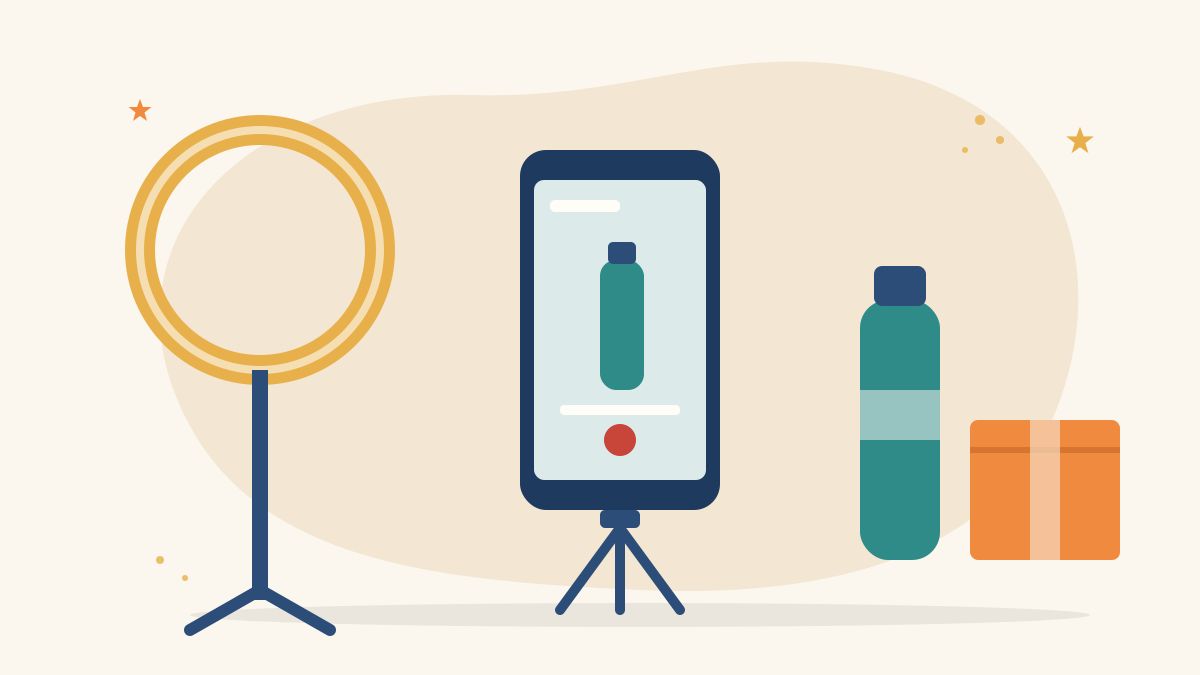
Scroll through Instagram or YouTube for a few minutes and you will see short videos that look like a friend talking about a product: someone unboxing a pressure cooker, testing a sunscreen or showing how she uses a budgeting app. Many of these clips are made by UGC creators. UGC stands for user-generated content, and brands now pay creators to make content in that natural, first-person style. For women who enjoy filming, scripting and speaking to camera, it can be a flexible way into media work.
This guide covers what a UGC creator does in India, the skills and disclosure rules involved, how to start and an illustrative brief to practise with.
What does a UGC creator do?
A UGC creator makes photos and short videos for a brand to use. The brand may post the content on its own social media pages, use it in paid ads, add it to a product page on an e-commerce site or share it in emails. Typical tasks include:
- Reading the brief: understanding the product, the audience, the key message and what the brand does not want said.
- Scripting: writing a hook for the first few seconds, a short demonstration and a clear ending.
- Filming: shooting on a phone with good light, clean audio and steady framing, usually in vertical 9:16 format.
- Editing: trimming, adding captions, text on screen and music the brand has rights to use.
- Delivering files: sending raw clips and edited versions in the formats requested, often with a few hook variations.
UGC creator vs influencer
The difference is mainly about audience. An influencer is paid partly for access to her followers, so the content is posted on her own account. A UGC creator is paid mainly for the content itself, which the brand publishes. That means you do not need a large following to start. Brands care more about whether your videos feel authentic and explain the product clearly. Some creators do both, and when they post brand content on their own accounts, influencer rules apply, as explained below.
Skills you need
Filming and editing on a phone
Most UGC is shot on a smartphone. You need to frame yourself well, use window light or a simple lamp, record clear sound and keep the camera steady. Editing apps on your phone are usually enough. See our guide on how to edit reels on your phone.
Speaking naturally on camera
UGC works because it feels like a real person talking. Practise speaking to the lens as if to one friend, in short sentences and in the language your audience uses, whether that is Hindi, English, Hinglish or a regional language. If you feel stiff, our guide on how to be confident on camera has practical exercises.
Short scriptwriting
A 30-second video still needs structure: a hook, a problem, the product in use and a call to action. Learning how to write a video script will help you plan clips that are tight and clear.
Business basics
You will be working as a freelancer, so you need to write a short pitch, quote a price, read a contract, send invoices and keep records. Ask a tax professional about income tax and whether GST registration applies to you as your earnings grow.
Disclosure and honesty rules in India
If you post sponsored content on your own account, Indian rules require you to say so clearly. The Department of Consumer Affairs released its Endorsement Know-hows guide in January 2023 for celebrities, influencers and virtual influencers. It says a material connection with a brand, including payment, gifted products, discounts, trips or a personal relationship, must be disclosed in a way that is hard to miss, using terms such as “advertisement”, “sponsored” or “paid promotion”. It also says endorsers should not promote products they have not personally used or checked.
The Advertising Standards Council of India’s guidelines for influencer advertising in digital media give more detail: labels such as “Ad”, “Sponsored”, “Collaboration” or “Partnership” must be upfront, not buried among hashtags or hidden behind “more”, and for picture or video posts without text the label should be shown on the image or video itself. Platforms also have their own tools, such as YouTube’s paid promotion setting.
When the brand posts your content on its own channels, it is the brand’s advertisement, but honesty still matters to you. Never claim results you have not seen, never read out health or financial claims you cannot support and say no to products you would not recommend to a friend.
Usage rights: what you are really selling
A UGC fee usually pays for the content and for permission to use it. Before you accept work, check:
- Where the content will appear: organic social posts only, or paid ads as well.
- How long the brand can use it: for example a set number of months, or indefinitely.
- Whether your face and voice can be edited into other ads or changed with AI tools.
- How many revisions are included and what counts as a new video.
- When and how you will be paid.
Paid ad usage and longer usage periods are worth more, so price them separately. Get every agreement in writing.
How to become a UGC creator: step by step
- Pick two or three product areas you genuinely use, such as skincare, kitchen products or apps.
- Study good examples on brand pages and note how the first three seconds work.
- Make sample videos with products you already own. Do not tag or imply a partnership with the brand when you do this.
- Create three to five portfolio pieces in different styles: an unboxing, a demonstration, a testimonial-style review and a problem-solution clip.
- Put them in one place. A simple online page or shared folder works. Our guide on how to build a portfolio website explains the options.
- Pitch small and growing Indian brands by email or direct message with a short note and your portfolio link.
- Use a written agreement that covers deliverables, usage rights, deadlines, revisions and payment.
- Deliver professionally: on time, clearly named files and the format the brand asked for.
Illustrative brief and script
This example is illustrative and invented. A brand selling a steel water bottle sends this brief: “One 30-second vertical video for paid ads. Audience: college students and office goers. Key message: keeps water cold for hours. Avoid medical claims.”
A creator might plan it like this:
- Hook (0 to 3 seconds): holding the bottle up: “I stopped buying cold drinks on the way to class. Here’s why.”
- Problem (3 to 8 seconds): “My plastic bottle was warm by 11 am every single day.”
- Demonstration (8 to 22 seconds): filling it with ice water in the morning, then showing it at lunch with ice still visible. Text on screen: “Filled at 8 am, checked at 1 pm”.
- Close (22 to 30 seconds): “It fits my bag and it doesn’t leak. Link is on this page.”
Notes: the creator tests the bottle before filming, says only what she observed and delivers two extra hooks.
UGC creator checklist
- Have I used the product myself?
- Does my hook make sense with the sound off?
- Is the audio clear and the light even on my face?
- Does every claim match what I actually observed?
- Is the disclosure clear if I post this on my own account?
- Do I have written terms on usage rights and payment?
Build your media skills
UGC creation combines scripting, camera presence, editing and business skills that carry across social media and video work. If you would like structured training in media and digital skills, explore our programmes and apply here. If you would like to support women building media careers, you can also donate to Karuna Media.
The Giving Movement by Karuna Media · #TheGivingMovement
Wear the cause: tees, a tote and a mug that fund media training for women
Tee (Black) ₹699 · Tee (White) ₹649 · Tote ₹449 · Mug ₹399. Printed on demand and shipped across India. 100% of the profit funds media training for underprivileged women.
Buy now on Razorpay Prefer to donate? Go to our donate pageMerch is a purchase, not a donation, and is not eligible for 80G. To make a donation, use our donate page.