A good portrait does more than show what someone looks like. It shows how they want to be seen: confident for a LinkedIn headshot, warm for a family photo, bold for an actor’s portfolio. Portrait photographers make those images, and in India the work ranges from small home studios to corporate shoots and personal branding sessions for creators and founders.
This guide covers what portrait photographers do, the main types of portrait work, the skills and gear that matter, the legal basics of ownership and consent, how to get your first clients and an illustrative headshot session plan.
What does a portrait photographer do?
A portrait photographer plans, directs and photographs people, usually one person or a small group, and then edits and delivers the final images. Much of the job happens before and after the shutter clicks:
- Pre-shoot consultation: understanding the purpose of the photos, the look the client wants and where the images will be used.
- Planning: location or studio, light, outfits, backgrounds and timing.
- Directing: helping people relax, giving clear posing guidance and catching natural expressions.
- Editing and retouching: selecting the best frames, colour correction and light, natural retouching.
- Delivery and business: contracts, invoices, online galleries and follow-up.
Types of portrait work
- Professional headshots for LinkedIn, company websites, speaker profiles and press kits.
- Personal branding shoots for coaches, creators, doctors, lawyers and small business owners.
- Corporate team portraits for company websites and annual reports.
- Family, maternity and newborn portraits, which need extra patience and attention to safety and comfort.
- Actor and model portfolios, where clean, honest images often matter more than heavy styling.
- Graduation and milestone portraits for students and families.
Many photographers start broad and then specialise in one or two areas where they enjoy the work and see steady demand.
Skills that matter most
Working with light
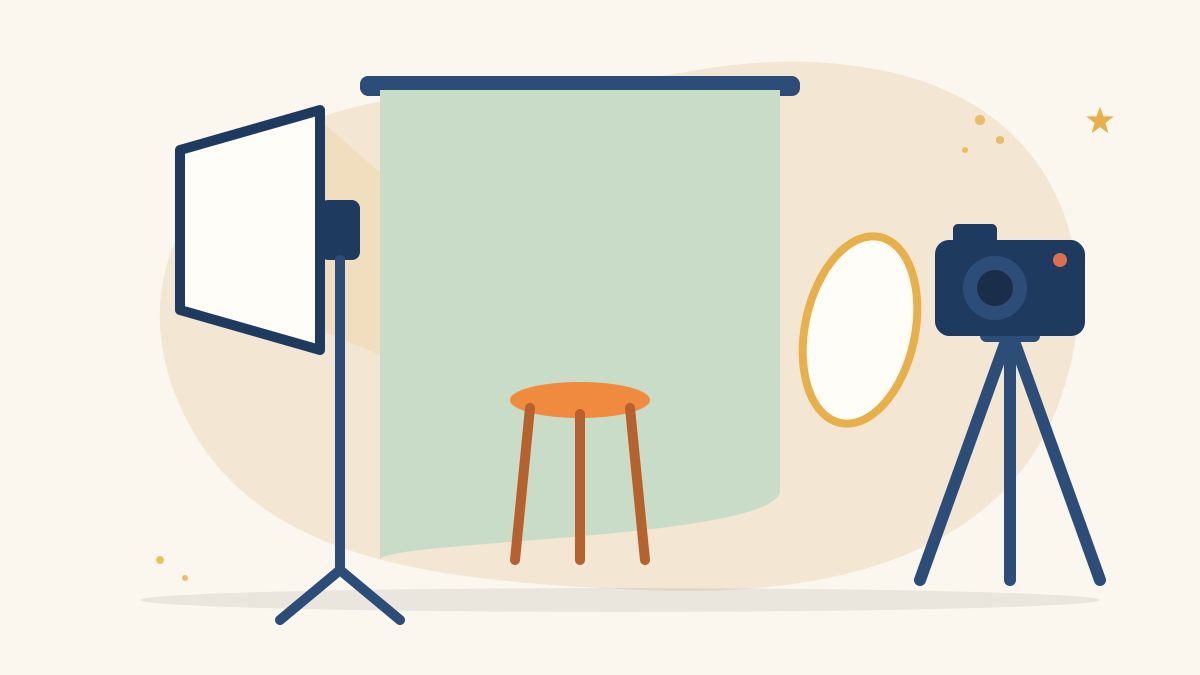
Soft, flattering light is the foundation of portraiture. Start with natural light: our guide to window light for portraits shows how much you can do with one window and a reflector. Later, learn a one-light setup with a softbox or umbrella.
Directing people
Most people feel awkward in front of a camera. Your words matter as much as your settings. Give simple, specific directions (“shoulders slightly towards the window, chin a little forward”), show the pose yourself and keep talking so the client is never left standing in silence.
Composition and lenses
Learn framing for head-and-shoulders, half-length and full-length portraits, and where to crop so you do not cut people at awkward joints. The rule of thirds and simple leading lines help here too. Short telephoto focal lengths are popular for headshots because they flatter facial proportions, but many beginners start well with a standard kit lens or a phone’s portrait mode.
Editing with restraint
Clients want to look like themselves on a good day. Learn colour correction and gentle skin retouching, and avoid changing face or body shape unless the client asks. Our guides to editing photos in Lightroom and becoming a photo retoucher go deeper.
Starter gear
- A camera or recent smartphone you know well.
- One lens suitable for portraits.
- A reflector (even white foam board works).
- A plain backdrop or a clean wall.
- Later: one off-camera light with a softbox, a light stand and spare batteries.
Buy only what solves a real problem in your work. Skill with simple gear beats an expensive kit you do not yet understand.
Ownership, usage and consent
This is where many beginners get into trouble, so put everything in writing.
- Copyright: Under Section 17 of India’s Copyright Act, 1957, when a photograph is taken for payment at someone’s request, that person is the first owner of the copyright unless there is an agreement to the contrary. If you want to keep copyright and license the images instead, your contract must say so clearly.
- Usage rights: State where the client may use the images (personal social media, company website, advertising) and whether you may use them in your portfolio.
- Consent and releases: If you plan to show a client’s portrait in your portfolio or ads, get written permission. For commercial use of a person’s likeness, photographers commonly use a model release. For children, get consent from a parent or guardian.
- Privacy: Store client photos securely and do not share unpublished images without permission.
For general background on copyright, see the WIPO copyright pages. For an important contract, consider asking a lawyer to review your template.
How to get your first clients
- Build a small, consistent portfolio. Photograph friends, family and classmates in one style. Ten strong images are better than fifty mixed ones.
- Choose a starting niche, such as headshots for professionals or portraits for small business owners.
- Put your work online with a simple website; see how to build a portfolio website.
- Partner locally: co-working spaces, salons, boutiques and colleges often need portraits.
- Ask for reviews and referrals after every good shoot.
- Write a clear price list that explains what is included: session time, number of edited images, delivery time and usage.
Illustrative headshot session plan
The plan below is illustrative, a starting template for a 45-minute professional headshot session. Adjust timings to your client.
- Before the day: confirm purpose, preferred background, two outfit options and delivery format. Share a short “what to wear” note: solid colours, no busy patterns.
- 0 to 5 minutes: welcome, chat, show a few sample images so the client knows what to expect.
- 5 to 15 minutes: warm-up frames near the window or with one light, mostly to help the client relax.
- 15 to 30 minutes: main set. Two or three poses, slight changes in angle and expression, check focus on the eyes.
- 30 to 40 minutes: outfit change and a second background or crop.
- 40 to 45 minutes: quick review on screen, agree on selection and delivery date.
- After: select, edit, retouch lightly and deliver through an online gallery with a usage note.
Portrait photography checklist
- Is the purpose of the photos clear?
- Is the light soft and flattering on the face?
- Are the eyes sharp?
- Does the client look relaxed and like themselves?
- Are ownership, usage and portfolio permission agreed in writing?
Karuna Media trains women in photography, filmmaking and digital media skills. Explore our programmes or apply here. To help more women build creative careers, you can donate to Karuna Media.
The Giving Movement by Karuna Media · #TheGivingMovement
Wear the cause: tees, a tote and a mug that fund media training for women
Tee (Black) ₹699 · Tee (White) ₹649 · Tote ₹449 · Mug ₹399. Printed on demand and shipped across India. 100% of the profit funds media training for underprivileged women.
Buy now on Razorpay Prefer to donate? Go to our donate pageMerch is a purchase, not a donation, and is not eligible for 80G. To make a donation, use our donate page.