Viewers forgive soft focus faster than they forgive bad sound. If your video looks fine but the voice is distant, echoey or full of room noise, people leave. Choosing the right microphone is one of the highest-value upgrades you can make. This guide explains how to choose a microphone for video, what the main types do and how to match a mic to your shooting style.
Why the microphone matters more than you think
A camera records an image; a microphone records the intimacy of a voice. Built-in camera and phone mics are convenient, but they sit far from the speaker and pick up fans, traffic and room reflections. An external mic placed closer to the mouth almost always sounds clearer, even on a modest budget.
Good audio helps:
- Talking-head YouTube and course videos
- Interviews and documentary pieces
- Product demos and explainers
- Reels and Shorts where people watch with sound on
- Online meetings and live streams recorded as content
The main microphone types for video
Lavalier (lapel) microphones
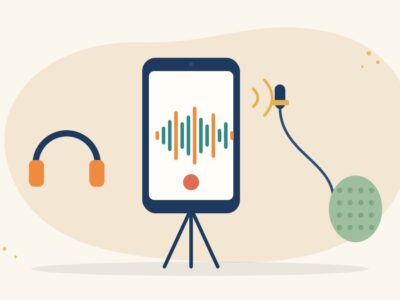
A lavalier clips onto clothing near the chest or collar. It stays close to the mouth as the person moves, which is ideal for interviews, presentations and run-and-gun filming.
Best for: interviews, vlogs with movement, workshops, multi-person shoots with several lavs.
Watch-outs: clothing rustle, poor placement under thick fabric, and wireless interference if you use a radio system in a crowded spectrum.
Shotgun microphones
A shotgun mic is directional. It rejects more sound from the sides and rear when aimed at the subject. You can mount it on a camera hot shoe, hang it on a boom pole above the frame, or place it on a stand just out of shot.
Best for: dialogue in controlled spaces, run-and-gun camera-top work, narrative scenes with a boom operator.
Watch-outs: camera-top shotguns still sound distant if the subject is far away; boom placement usually sounds better than a mic on the camera.
USB microphones
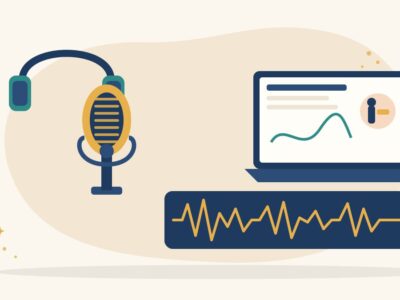
USB mics plug into a computer and are popular for desktop talking-head setups, podcasts filmed on webcam and voice-overs.
Best for: seated desk videos, voice-over booths at home, streaming.
Watch-outs: less flexible on location; you usually need a separate recorder or wireless system if you leave the desk.
Handheld and headset mics
Handheld mics work for hosts and reporters who are comfortable holding a mic. Headsets keep a consistent mouth distance for active presenters. These are less common for cinematic video but useful for events and tutorials.
Wired vs wireless
Wired lavs and shotguns are simpler and often more reliable for beginners: fewer batteries, fewer dropouts. Wireless systems free the subject to move, which helps interviews and creator walk-and-talks. If you go wireless, buy from a reputable kit, learn how to set levels and always record a backup when the interview matters.
Matching a mic to common video setups
YouTube talking head at a desk
A USB mic on a boom arm, or a shotgun just out of frame pointed at your mouth, usually works well. Treat the room if you can: soft furnishings reduce echo.
Phone-first Reels and Shorts
A compact lav plugged into the phone, or a small wireless lav system made for phones, is often the best upgrade. Keep the phone mic as a backup track when your app allows dual audio.
Interviews
Use a lav on the guest, or a shotgun on a boom above them aimed at the mouth. Avoid relying only on a camera-top mic from across the room.
Run-and-gun documentary
A wireless lav on the subject plus a camera-top shotgun for ambience and backup is a proven combination.
Voice-over for explainers
A USB mic in a quiet corner, with a simple foam or reflection filter, can produce clean narration for educational and brand videos.
Key specs without the jargon trap
Do not get lost in marketing numbers. Focus on practical fit:
- How close can the mic get to the mouth? Closer almost always wins.
- Does it match your camera or phone connection? Check TRS vs TRRS, USB-C, multi-interface shoes and adapters.
- Is it omnidirectional or directional? Omnidirectional lavs are common and forgiving on placement; shotguns are directional and need careful aiming.
- Batteries and cables: always pack spares.
- Wind protection: outdoor shoots need a deadcat or foam; without it, wind ruins takes.
Polar patterns, sample rates and fancy coatings matter less for beginners than placement, room noise and consistent levels.
Placement tips that improve any microphone
- Get the mic closer to the speaker without entering the frame unless the mic is meant to be seen.
- Point shotguns at the mouth, not at the chest or the floor.
- Hide lavs neatly and leave a small loop of cable to reduce clothing noise.
- Set levels so peaks do not clip; leave headroom.
- Record a few seconds of room tone for editing.
- Monitor with headphones whenever possible so you catch problems on set.
Budget mindset: what to buy first
If you can only buy one thing, choose the mic that matches how you shoot most days. A creator who films seated tutorials may prefer a USB mic. A journalist who interviews on location may prefer a lav. A narrative student with a boom op may prefer a shotgun. Accessories matter too: a stand, cable management, wind protection and a simple recorder can improve results as much as a slightly nicer capsule.
Upgrade in steps. Learn placement on an affordable, reliable mic before spending on a high-end system you are not ready to operate.
Common mistakes when choosing a mic
- Buying a camera-top shotgun and expecting studio sound from three metres away.
- Ignoring the cable and connector compatibility with your phone or camera.
- Filming in a hard, empty room where any mic will sound echoey.
- Forgetting wind protection outdoors.
- Choosing wireless before you are ready to manage batteries, sync and interference.
Build stronger video craft with Karuna Media
Clear sound is part of professional media training, alongside camera work, editing and storytelling. Karuna Media, an initiative of Puppets Picture Education Trust (PPET) in Noida, runs the 12-month Karuna Media Master Program for women from underprivileged backgrounds. The program covers media, filmmaking and AI skills, with support for job placement.
- Want to learn? Read about the program and apply here.
- Want to help more women train for media careers? Give through our donate page.
Your next step
Write down the three video situations you film most often, then pick the microphone type that gets closest to the speaker in those situations. Test one setup this week, monitor on headphones and compare it with your built-in mic. That practical test teaches you more about how to choose a microphone for video than another hour of spec-sheet reading.
The Giving Movement by Karuna Media · #TheGivingMovement
Wear the cause: tees, a tote and a mug that fund media training for women
Tee (Black) ₹699 · Tee (White) ₹649 · Tote ₹449 · Mug ₹399. Printed on demand and shipped across India. 100% of the profit funds media training for underprivileged women.
Buy now on Razorpay Prefer to donate? Go to our donate pageMerch is a purchase, not a donation, and is not eligible for 80G. To make a donation, use our donate page.