False information spreads quickly on social media and messaging apps, and newsrooms, platforms and researchers need people who can check what is true. Fact-checking has become a recognised career in journalism and digital media. If you are curious, careful and comfortable with research, this guide explains how to become a fact-checker in India, the skills you need and where the work is.
What does a fact-checker do?
A fact-checker verifies claims before or after they are published. The work falls into two broad types:
- Pre-publication checking: reviewing articles, scripts, books or videos in a newsroom or publishing house to confirm names, dates, numbers and quotes before they go out.
- Public fact-checking: investigating viral claims, images, videos and statements that are already circulating, then publishing a verdict that explains what is true, false or misleading and why.
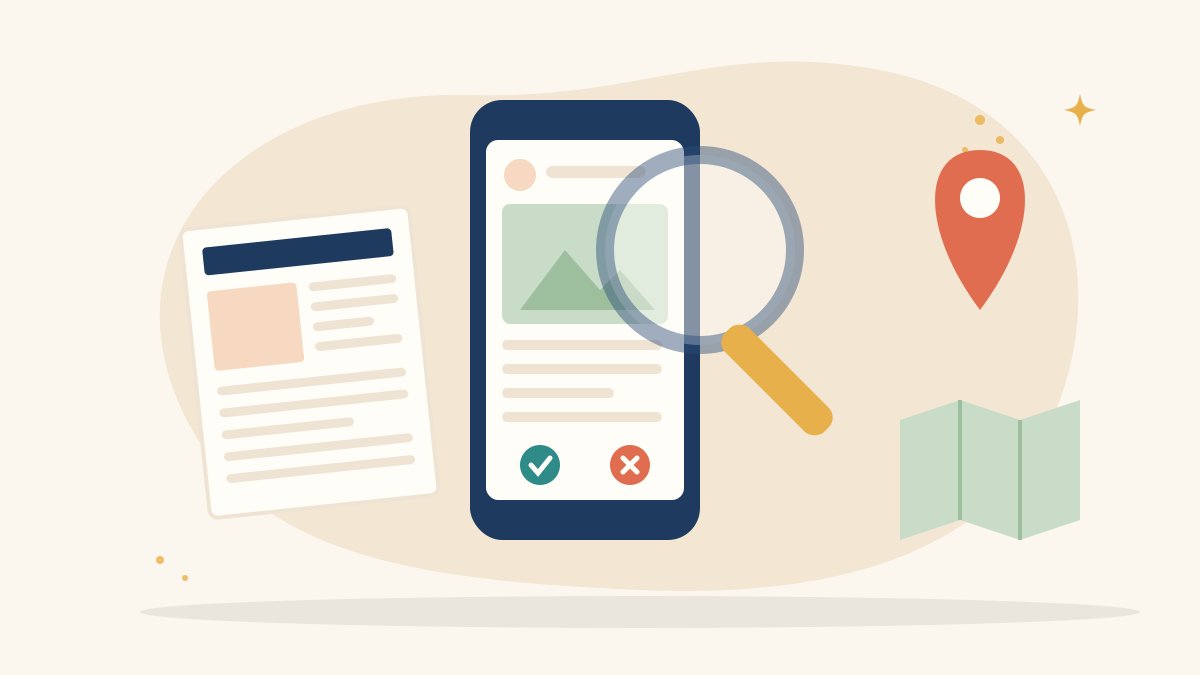
On a typical day, a fact-checker might trace the original source of a photo, compare a politician’s statement with official data, watch a video frame by frame to find where it was filmed, or call an expert to confirm a technical point.
Skills you need to become a fact-checker
Research skills
- Finding primary sources such as government data, court documents, official notifications and research papers instead of relying on secondary reports.
- Reading data carefully, including what a number measures, the time period and the source.
- Knowing when to ask an expert and how to find the right one.
Digital verification skills
Much of today’s fact-checking involves images and videos. Useful techniques include:
- Reverse image search with tools such as Google Lens, Bing Visual Search or TinEye to find where and when an image first appeared.
- Video verification: taking keyframes from a video and searching them, or using tools such as the InVID-WeVerify browser plugin.
- Geolocation: matching landmarks, signboards, road layouts and weather in a photo with maps and satellite imagery.
- Checking metadata where it is available, while remembering that most social media platforms remove it.
- Spotting manipulated and AI-generated media by looking for inconsistencies in lighting, shadows, hands, text and backgrounds, and by tracing the earliest upload.
Writing skills
A fact-check is only useful if people understand it. You need to write clear, neutral and well-sourced explanations, often in more than one language. Fact-checkers who work in Hindi or other Indian languages are valuable because many false claims circulate in regional languages.
Personal qualities
- Scepticism without cynicism: questioning every claim while staying fair.
- Attention to detail: small errors in names or numbers matter.
- Political neutrality: checking claims from all sides with the same standards.
- Patience and emotional resilience: some content you review can be upsetting.
Education and training
There is no single required qualification. Many fact-checkers have degrees in journalism, mass communication, political science, economics, statistics or law, but people from other backgrounds also succeed if they can show strong verification skills. Helpful ways to build those skills include:
- Journalism or media courses that include reporting, research and ethics.
- Online verification training offered by journalism organisations and platforms, such as the Google News Initiative’s training resources.
- Following the methodologies of established fact-checkers. Organisations that are signatories to the International Fact-Checking Network (IFCN) code of principles publish their methods, which are a good learning resource.
- Regular practice with real viral claims from your own family WhatsApp groups.
How to build a fact-checking portfolio
Employers want to see that you can verify claims, not just say that you can.
- Choose five viral claims of different types: a photo, a video, a statistic, a quote and a health claim.
- Investigate each one and keep notes of every step and source.
- Write a short fact-check for each, explaining the claim, how you checked it, what you found and your conclusion.
- Publish them on a blog, Medium or a simple portfolio website.
- Show your methods, including screenshots of searches and maps, so an editor can see your process.
Avoid publishing anything about private individuals or minors, and be careful not to spread the false claim further. Many fact-checkers blur or label misleading images when they share them.
Where fact-checkers work in India
- Dedicated fact-checking organisations that publish verdicts on viral claims.
- Fact-check desks in news organisations, including TV channels, newspapers and digital news sites.
- Publishing houses and magazines that check long-form articles and books.
- Technology and social media platforms, which work with fact-checking partners and also hire for trust and safety roles.
- Research, media literacy and civil society organisations that study misinformation.
Entry roles include fact-checking intern, trainee researcher and junior fact-checker. Freelance work is also possible with some outlets. Look for openings on journalism job boards, LinkedIn and the careers pages of news organisations.
Career growth
Experienced fact-checkers can become senior fact-checkers, fact-check editors or heads of verification desks. The skills also transfer well to investigative journalism, open-source research, trust and safety, media literacy training and research roles. Pay varies a lot between organisations, so compare current listings before deciding.
Why this career matters for women
Women are often the targets of manipulated images and false claims online, and they bring valuable perspectives to verification work. Fact-checking can also be done in hybrid and remote roles, which suits many women balancing work and family. What many lack is structured training and a first break.
Build media and research skills with Karuna Media
Karuna Media, run by Puppets Picture Education Trust (PPET) in Noida, offers the 12-month Karuna Media Master Program for women from underprivileged homes. It covers media, filmmaking and AI skills, including responsible use of digital tools, with support for job placement.
- Interested in a media career? Explore the program and apply here.
- Want to support trained women in media? Visit our donate page.
Your next step
The next time a suspicious forward reaches you, do not just ignore it. Trace its source, check it against reliable records and write down what you find. That simple routine is the real starting point for how to become a fact-checker, and it also helps your family and friends see the truth.
The Giving Movement by Karuna Media · #TheGivingMovement
Wear the cause: tees, a tote and a mug that fund media training for women
Tee (Black) ₹699 · Tee (White) ₹649 · Tote ₹449 · Mug ₹399. Printed on demand and shipped across India. 100% of the profit funds media training for underprivileged women.
Buy now on Razorpay Prefer to donate? Go to our donate pageMerch is a purchase, not a donation, and is not eligible for 80G. To make a donation, use our donate page.