Few media careers depend so completely on your voice and personality as radio. A radio jockey, usually called an RJ, keeps listeners company during their commute, their work and their late nights, mixing music, conversation, interviews and live updates. If you love talking to people, have a curious mind and enjoy thinking on your feet, learning how to become a radio jockey in India could be the start of a rewarding career.
This guide explains what an RJ does, the skills you need, the qualifications that help, how to prepare a demo, where the jobs are and how women from any background can build a path into audio media.
What does a radio jockey do?
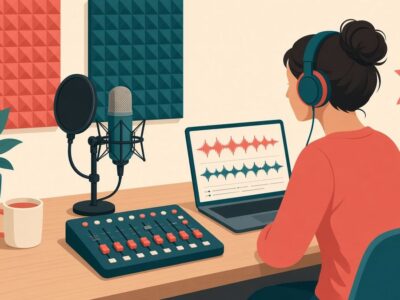
An RJ hosts a show on FM radio, community radio, internet radio or a podcast-style audio platform. The job is much more than speaking into a microphone. On a typical day, an RJ may:
- Plan the show’s segments, topics and talking points with the producer.
- Research news, events, local stories and listener interests.
- Present live or pre-recorded links between songs.
- Interview guests, take listener calls and read messages on air.
- Read sponsored announcements and promotions naturally.
- Create social media clips and videos to promote the show.
- Represent the station at events and on-ground activities.
Skills you need to become an RJ
A clear, expressive voice
You do not need a “perfect” voice. Stations look for voices that sound warm, natural and easy to listen to. Clear pronunciation, good breath control, varied pace and an energetic but relaxed tone matter more than a deep or dramatic sound.
Language fluency
Most Indian stations broadcast in Hindi, English or a regional language, often mixing them. Strong command of at least one language, a good vocabulary and the ability to switch naturally between languages for your audience are big advantages.
Spontaneity and wit
Live radio rarely goes exactly to plan. A song may fail to play, a caller may say something unexpected or breaking news may arrive mid-show. RJs who can stay calm, think quickly and keep the conversation flowing are valued.
Storytelling and research
Good RJs turn ordinary topics into engaging stories. That requires reading widely, following local news and culture, and preparing interesting facts and questions before every show.
Basic audio and digital skills
Many RJs operate the studio console themselves, record and edit segments, and cut short clips for Instagram or YouTube. Knowing the basics of audio recording, editing software and social media gives you an edge.
Qualifications that help
There is no single compulsory degree for radio jockeys in India. Stations usually care most about your voice, personality, language skills and demo. That said, these routes can help:
- A diploma or degree in mass communication, journalism or media studies.
- Short courses in radio jockeying, anchoring, voice training or audio production.
- Experience in college radio, community radio, theatre, debating or public speaking.
- A portfolio of podcasts, voice-overs or hosted videos that shows your style.
If you are interested in related paths, read our guides on a voice-over artist career and how to become a news anchor.
How to become a radio jockey: a step-by-step plan
- Listen actively. Spend a few weeks listening to different stations and shows. Note how RJs open a show, link songs, handle callers and read promotions.
- Train your voice. Practise reading aloud every day: newspapers, stories and scripts. Work on breath control, pauses and pronunciation. Record yourself and listen back critically.
- Build your on-air personality. Decide what makes you interesting: humour, warmth, local knowledge, music taste or empathy. Your personality is what listeners return for.
- Learn the technical basics. Understand microphones, headphones, recording levels and simple audio editing so you can produce clean recordings at home.
- Create a demo. Record a short demo that shows your best work (see the next section).
- Gain real experience. Volunteer with community radio, start a podcast, host college events or create audio content on social media.
- Apply and audition. Watch for RJ hunts, auditions and internship openings at FM, community and digital audio platforms, and keep sending your demo.
- Keep improving. Ask for feedback after every audition and update your demo as your skills grow.
How to make a strong RJ demo
Your demo is your audition before the audition. Keep it short, usually two to three minutes, and lead with your strongest material. A good demo might include:
- A lively show opening that introduces you and the time of day.
- A link between two songs with a quick, relevant talking point.
- A short mock interview or listener call.
- A natural-sounding promotional read.
- A segment in a second language, if you speak one fluently.
Record in a quiet room with soft furnishings to reduce echo, keep levels consistent and remove long pauses and mistakes. Our guide on how to make a showreel shares portfolio tips that also apply to audio demos.
Where RJs work in India
- Commercial FM stations in metros and smaller cities.
- Public broadcasting, including All India Radio, which periodically recruits casual announcers and presenters.
- Community radio stations run by educational institutions and non-profits, often a good place to start.
- Internet radio and podcasts, where you can host your own shows.
- Related roles such as event anchoring, voice-overs, audio producers, podcast hosts and video presenters.
Pay varies widely by city, station and experience, so research current openings and speak to working professionals rather than relying on a single figure.
Challenges to prepare for
- Auditions are competitive, and rejection is common early on.
- Shows can run early mornings, late nights or weekends.
- RJs must keep content respectful, accurate and within broadcasting rules.
- You need to stay fresh and creative every single day.
Building a broader media skill set, including audio editing, video and social media, helps you stay employable across radio, podcasts and digital platforms.
How Karuna Media helps women build media careers
Puppets Picture Education Trust (PPET) in Noida runs the 12-month Karuna Media Master Program for women from underprivileged backgrounds. The program covers filmmaking, cinematography, video editing, audio, graphic design and AI content creation, followed by a career phase with placement support. Skills like audio recording, editing and on-camera confidence are valuable for anyone aiming for radio, podcasting or presenting.
If you want to build a career in media, explore the program and apply here. If you would like to help more women get this chance, you can support the work through our donate page.
Final thoughts
Becoming a radio jockey in India takes practice, personality and persistence more than a particular degree. Train your voice, build a strong demo, gain experience wherever you can and keep auditioning. With the right preparation, your voice could be the one keeping a city company.
The Giving Movement by Karuna Media · #TheGivingMovement
Wear the cause: tees, a tote and a mug that fund media training for women
Tee (Black) ₹699 · Tee (White) ₹649 · Tote ₹449 · Mug ₹399. Printed on demand and shipped across India. 100% of the profit funds media training for underprivileged women.
Buy now on Razorpay Prefer to donate? Go to our donate pageMerch is a purchase, not a donation, and is not eligible for 80G. To make a donation, use our donate page.