Every app you open, website you browse and online form you fill in was shaped by someone deciding how it should work. That person is often a UX designer. Companies across India now invest in better digital experiences, which has made UX design a popular career for people who enjoy problem-solving, empathy and visual thinking. This guide explains how to become a UX designer in India, from core skills and tools to portfolios and first jobs.
What does a UX designer do?
UX stands for user experience. A UX designer studies how people use a product and designs it so that tasks feel simple, clear and pleasant. The focus is less on decoration and more on whether someone can quickly find what they need, understand it and complete their goal.
Common responsibilities include:
- User research: speaking with users, observing behaviour and reviewing feedback to understand real needs.
- Defining problems: turning research into clear problem statements and user goals.
- Information architecture: organising content and navigation so it makes sense.
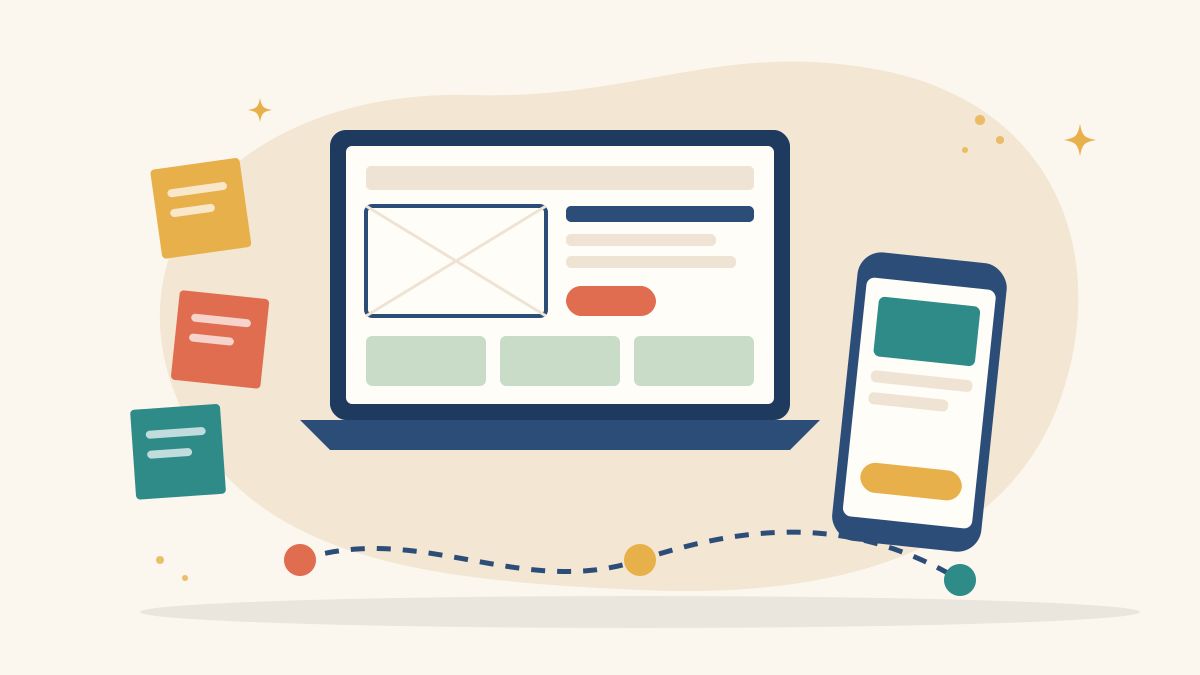
- Wireframing: sketching screen layouts without colour or detail to test structure.
- Prototyping: building clickable versions of a design to test with users.
- Usability testing: watching people try the prototype and noting where they struggle.
- Working with teams: collaborating with product managers, developers, writers and visual designers.
UX designer vs UI designer
The two roles are often combined in job listings, but they focus on different things. A UX designer shapes the flow, structure and logic of a product. A UI designer focuses on the visual layer: colours, typography, buttons, icons and spacing. In many Indian startups one person handles both, which is why you will often see the title UI/UX designer. Learning the basics of both makes you more employable.
Skills you need to become a UX designer
Research and empathy
UX begins with understanding people. Learn to write neutral interview questions, listen without leading and summarise what you observe. Empathy helps you design for users who are not like you, including first-time smartphone users and people using regional languages.
Problem-solving and critical thinking
Good UX designers ask why before they ask how. Practise breaking a big problem, such as a confusing checkout, into smaller parts you can fix and test.
Visual and interaction basics
Even if you specialise in UX, you should understand layout, hierarchy, typography, colour contrast and common interaction patterns such as menus, forms and buttons.
Accessibility
Design for people with low vision, colour blindness, motor difficulties or slow internet. Simple steps such as readable text sizes, strong contrast and clear labels improve the experience for everyone.
Communication
UX designers explain their decisions to stakeholders. Practise presenting your work with a clear story: the problem, the research, the options you explored and why the final design works.
Tools UX designers use
- Figma: the most widely used tool for wireframes, UI design and prototypes, with real-time collaboration.
- Paper and whiteboards: quick sketches remain one of the fastest ways to explore ideas.
- FigJam or Miro: online whiteboards for research synthesis, user journeys and workshops.
- Survey and form tools: for collecting quick feedback from users.
- Basic HTML and CSS knowledge: not essential, but it helps you understand what developers can build.
Education and training paths in India
There is no single mandatory degree. People enter UX from design, psychology, engineering, communication, journalism and many other fields. Common routes include a degree in design or interaction design, a structured UX course with mentor feedback, or self-study supported by real projects. Employers focus heavily on your portfolio and your ability to explain your process.
The UX design process in brief
Most teams follow a version of this cycle:
- Empathise: research users and their context.
- Define: describe the core problem in one or two sentences.
- Ideate: generate many possible solutions before choosing one.
- Prototype: build a quick, testable version.
- Test: watch real users try it, learn and improve.
The process repeats, because every test reveals something new.
How to build a UX portfolio
A UX portfolio is built around case studies, not just attractive screens.
- Pick real problems. Redesign the booking flow of a local clinic, simplify a government form or improve an NGO’s donation journey.
- Document each step. Show research notes, user insights, sketches, wireframes, prototypes and test findings.
- Explain decisions. Write why you chose one option over another and what you learned from testing.
- Show the outcome honestly. If the project was a concept, say so; clarity builds trust.
- Keep it focused. Three strong case studies are usually enough for a first job.
- Make it easy to read. Use clear headings, short paragraphs and annotated visuals.
Getting your first UX design job
Entry points include UX or UI/UX design internships, junior product designer roles at startups, design roles inside IT services companies and agencies, and project-based work for small businesses and nonprofits. Bengaluru, Delhi NCR, Mumbai, Pune and Hyderabad have many product teams, and remote roles have widened options for people in other cities.
Prepare for interviews that include a portfolio walkthrough and sometimes a short design exercise. Practise talking through one case study in about ten minutes.
Career growth in UX
A typical path moves from junior UX designer to UX or product designer, senior designer, lead and design manager. Some people specialise in UX research, UX writing, interaction design or accessibility. Salaries vary by city, company type and experience, so check current job listings before negotiating.
Why UX needs more women
Digital products serve millions of women in India, yet many are designed without their voices in the room. Women designers bring perspectives on safety, privacy, language and everyday use that make products better for everyone. Access to training, mentors and a first opportunity is often the missing piece.
Build digital and media skills with Karuna Media
Karuna Media, an initiative of Puppets Picture Education Trust (PPET) in Noida, runs the 12-month Karuna Media Master Program for women from underprivileged backgrounds. The program covers media, filmmaking, design and AI skills, with support for job placement, helping learners prepare for creative and digital careers.
- Want to learn? Read about the program and apply here.
- Want to support women entering digital careers? Give through our donate page.
Your next step
Choose one app you use every day and note three moments where it confuses you. Sketch a better version of one screen, show it to two people and write down what they say. That small cycle of observe, design and test is the heart of how to become a UX designer.
The Giving Movement by Karuna Media · #TheGivingMovement
Wear the cause: tees, a tote and a mug that fund media training for women
Tee (Black) ₹699 · Tee (White) ₹649 · Tote ₹449 · Mug ₹399. Printed on demand and shipped across India. 100% of the profit funds media training for underprivileged women.
Buy now on Razorpay Prefer to donate? Go to our donate pageMerch is a purchase, not a donation, and is not eligible for 80G. To make a donation, use our donate page.