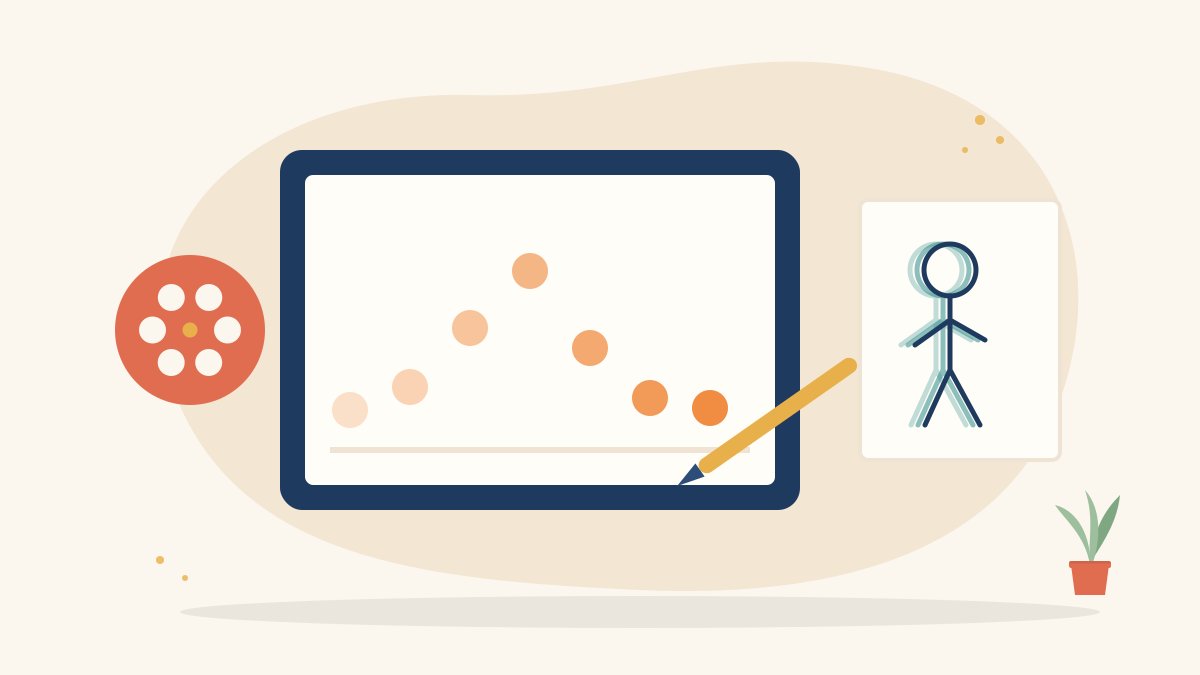
Animation is everywhere in India today: in children’s TV shows, advertisements, explainer videos, mobile games, music videos, films and social media content. Behind every moving character or animated logo is an animator who planned and built that motion frame by frame. If you enjoy drawing, storytelling or working with design software, animation can be a creative and rewarding career. This guide explains how to become an animator in India, the types of animation work, the skills and software to learn, how to build a showreel and where animators find jobs.
What does an animator do?
An animator creates the illusion of movement. That can mean making a cartoon character walk and talk, bringing a product to life in an advertisement, or animating text and icons in an explainer video. Most animation projects pass through several stages, and an animator may work on one or more of them:
- Reading the script and understanding the story or message
- Studying storyboards and animatics that show how each scene is planned
- Creating key poses and the in-between movement that connects them
- Timing actions so they feel natural, funny or dramatic
- Working with feedback from directors, clients or lead animators
- Rendering and exporting scenes for editing and final delivery
Types of animation careers
Animation is a wide field. Knowing the main types helps you choose where to start.
2D animation
2D animation is drawn on a flat surface, traditionally on paper and today mostly on a computer or tablet. It is used in children’s series, short films, educational videos and many advertisements. Roles include 2D animator, clean-up artist and in-between artist.
3D animation
3D animation uses digital models that are rigged with a skeleton and then posed and moved in 3D software. It is common in animated films, games, product visualisation and architectural walkthroughs. Related roles include modeller, rigger, texture artist, lighting artist and 3D animator.
Motion graphics
Motion graphics animates text, shapes, logos and illustrations rather than characters. It is used heavily in YouTube videos, corporate presentations, social media posts and TV graphics. Many beginners find motion graphics the quickest route into paid work because the demand from brands and content creators is steady.
Stop motion
Stop motion involves photographing physical objects, clay figures or paper cut-outs one frame at a time and moving them slightly between shots. It is a smaller niche, but it is popular for creative advertisements and short films.
Skills you need to become an animator
Software can be learned, but strong animators also build a set of core skills.
- Drawing and observation: Even 3D animators benefit from sketching poses and studying how people and animals move.
- The principles of animation: Ideas such as timing, spacing, squash and stretch, anticipation and follow-through make movement believable.
- Storytelling: Understanding what a scene needs to communicate helps you make better choices about acting and pacing.
- Patience and attention to detail: A few seconds of animation can take many hours of careful work.
- Taking feedback: Animation is a team process with many review rounds, so being open to notes is essential.
- Basic video editing and sound awareness: Animators often sync movement to dialogue, music or sound effects.
Software to learn
You do not need to learn everything at once. Pick one tool that matches the type of animation you want to do, then add others over time.
- For 2D animation: Adobe Animate, Toon Boom Harmony, OpenToonz or Krita
- For 3D animation: Blender, Autodesk Maya or Cinema 4D
- For motion graphics: Adobe After Effects, or simpler tools such as Canva for basic animated posts
- For editing your work: Adobe Premiere Pro, DaVinci Resolve or CapCut
Blender, OpenToonz and Krita are open-source tools you can download without paying for a licence, which makes them good places to practise before choosing paid software.
Step-by-step: how to become an animator in India
- Start with the basics of drawing and movement. Practise gesture drawing and simple exercises such as a bouncing ball, a pendulum and a walk cycle. These classic exercises teach timing and weight.
- Choose a direction. Decide whether you are most drawn to 2D, 3D or motion graphics. You can explore all of them later, but focusing first helps you improve faster.
- Get structured training. Many animators study through a diploma, degree or professional training program in animation, multimedia or media production. Look for training that includes practical projects, mentor feedback and portfolio support.
- Learn one main software tool well. Follow a learning plan, recreate short scenes you admire and finish small projects rather than starting many and leaving them half done.
- Build a showreel. Collect your best short pieces into a reel of about one to two minutes, with your strongest work first.
- Take on small real projects. Animated logos, social media posts, short explainers for local businesses or NGOs and internships all give you real deadlines and client feedback.
- Apply for junior roles and keep learning. Entry-level titles include junior animator, trainee animator, in-between artist and motion graphics designer.
How to build an animation showreel
Your showreel is often more important than your certificate when you apply for animation jobs. Keep these tips in mind:
- Put your best ten to fifteen seconds at the very beginning
- Show only finished, polished work, not experiments that look incomplete
- Label what you did in each shot if you worked as part of a team
- Include variety, such as a walk cycle, a short acting scene and a motion graphics piece
- Add your name, email and the role you are looking for at the start and the end
- Host it on YouTube or Vimeo and share a simple link in your applications
Where do animators work in India?
Animators in India work for animation studios, VFX and post-production companies, advertising agencies, game studios, e-learning companies, digital marketing agencies and in-house design teams at brands. Large cities such as Mumbai, Bengaluru, Hyderabad, Pune, Chennai and Delhi NCR have many studios. Remote and freelance work is also common, especially for motion graphics and explainer videos, so animators outside major cities can still build a client base online.
Freelancing as an animator
Many animators combine a job with freelance projects or work fully as freelancers. To freelance successfully, create a simple portfolio page, set clear prices for common jobs such as logo animations or short explainers, agree on the number of revision rounds in advance and always deliver on time.
Common mistakes beginners make
- Jumping into complex character scenes before mastering basic exercises
- Spending months on tutorials without finishing original projects
- Making a showreel that is too long or starts with weak work
- Ignoring sound and timing when animating to dialogue or music
- Not asking for feedback from experienced animators or mentors
Learn media and animation skills with Karuna Media
At Karuna Media, run by Puppets Picture Education Trust (PPET) in Noida, the 12-month Karuna Media Master Program trains underprivileged women in media, filmmaking and AI skills, with support for job placement. Students work on practical projects that build the visual storytelling, editing and design foundations an animation career needs.
Explore the Karuna Media Master Program or apply now to begin your journey. If you want to help more women build creative careers, you can donate to support their training.
The Giving Movement by Karuna Media · #TheGivingMovement
Wear the cause: tees, a tote and a mug that fund media training for women
Tee (Black) ₹699 · Tee (White) ₹649 · Tote ₹449 · Mug ₹399. Printed on demand and shipped across India. 100% of the profit funds media training for underprivileged women.
Buy now on Razorpay Prefer to donate? Go to our donate pageMerch is a purchase, not a donation, and is not eligible for 80G. To make a donation, use our donate page.